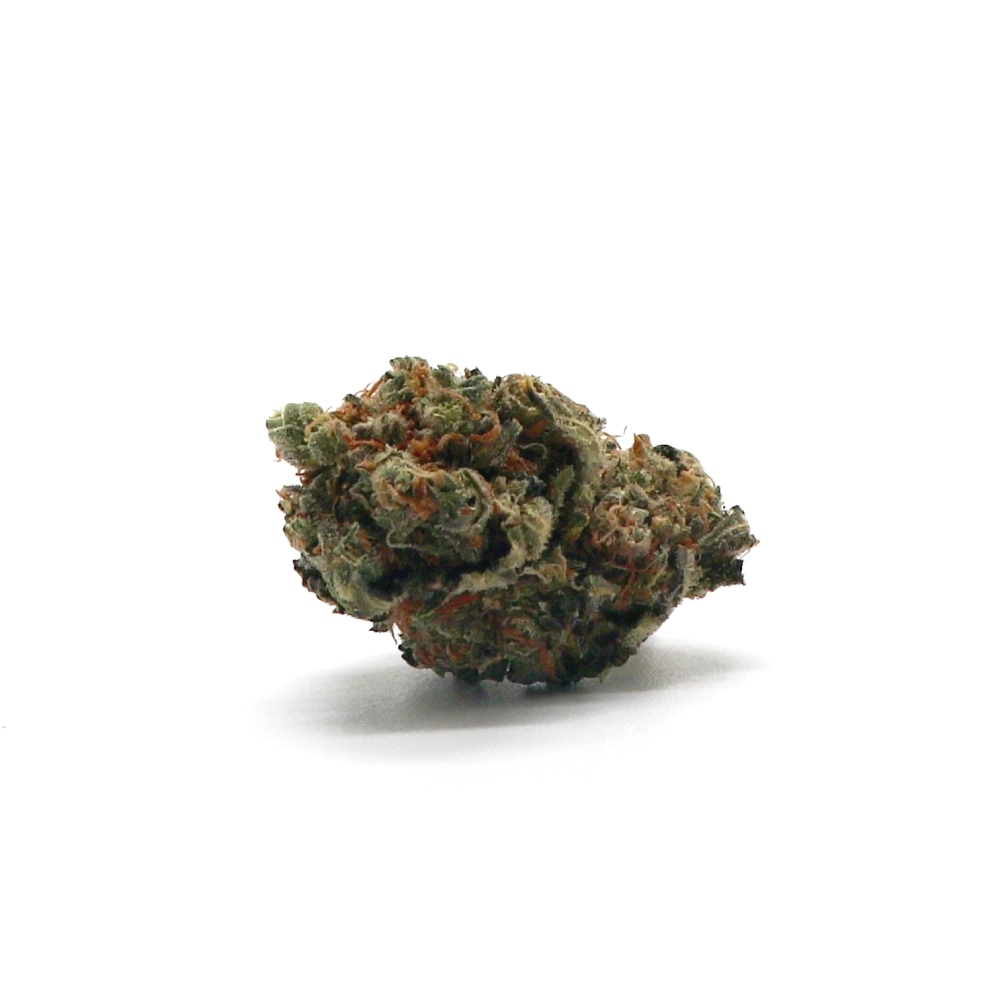
In the lush and often misunderstood world of cannabis, separating the seeds of truth from the chaff of myths can be as intricate as cultivating the perfect strain. With its roots deeply embedded in history, culture, and medicine, cannabis has been both celebrated and stigmatized. Today, let’s embark on a fact-finding mission to debunk common myths and shed light on the facts about cannabis. Fasten your seatbelts; we’re about to take a high-flying journey into clarity!
Myth 1: Cannabis Always Leads to a “High”
Fact: Not all cannabis is created equal. The cannabis plant contains numerous compounds, with THC (tetrahydrocannabinol) being the primary psychoactive component. However, CBD (cannabidiol), another major component, offers therapeutic benefits without the psychoactive effects. Many products are designed to harness the benefits of CBD, allowing users to remain clear-headed while enjoying its calming and anti-inflammatory properties.
Myth 2: More THC Equals Better Effects
Fact: When it comes to THC, think of it as a spice, not the main ingredient. Higher THC content doesn’t necessarily mean a better experience. The entourage effect suggests that cannabis compounds work better together than in isolation. A balanced ratio of THC, CBD, and other cannabinoids, along with terpenes, can enhance the therapeutic benefits and minimize potential discomforts such as anxiety or paranoia.
Myth 3: Cannabis Is a “Gateway” Drug
Fact: This long-debated theory suggests that cannabis use leads individuals to experiment with harder substances. However, research shows that the majority of cannabis users do not go on to use harder drugs. Factors such as social environment, genetics, and personal choice play a significant role in an individual’s drug use pattern. Cannabis, when used responsibly, does not inherently push users towards other substances.
Myth 4: You Can’t Become Dependent on Cannabis
Fact: While cannabis is considered less addictive than many other substances, it is not without its risks. Regular, heavy use can lead to dependence, characterized by a desire to continue using despite negative consequences. Acknowledging the potential for dependence is a crucial step in promoting responsible use and understanding the plant’s complexities.
Myth 5: Cannabis Has No Medicinal Benefits
Fact: This myth crumbles under the weight of mounting evidence. Cannabis has been recognized for its medicinal properties, offering relief for various conditions such as chronic pain, epilepsy, multiple sclerosis, and more. Its therapeutic potential is supported by scientific research and has led to the legalization of medical cannabis in numerous countries and states.
Myth 6: Legalizing Cannabis Increases Teen Usage
Fact: Studies from regions where cannabis has been legalized show that legalization does not necessarily lead to increased use among teenagers. In some cases, it has been observed that teen use has remained stable or even decreased post-legalization. Regulation allows for better control and education around cannabis, contributing to informed decision-making among younger populations.
Conclusion: Clearing the Smoke
As we conclude our journey, it’s evident that the world of cannabis is rich with complexity and nuance. By dispelling myths and embracing facts, we can approach cannabis with a balanced perspective, appreciating its benefits while being mindful of its risks. Education is key to understanding cannabis’s role in society, health, and personal well-being. So, let’s continue to seek knowledge, share insights, and cultivate a well-informed community.
Remember, the journey to understanding cannabis doesn’t end here; it’s an ongoing exploration of science, society, and self. Stay curious, stay informed, and most importantly, stay responsible.